
10-Blade Cashew Cutting Machine Specifications
| Specification | Details |
|---|---|
| Brand | Daniel Machine |
| Machine Type | Automatic Cashew Cutting / Shelling Machine |
| Cutter Configuration | 10 blades |
| Cutting Capacity | Approximately 270–400 kg/hour |
| Output per 8-Hour Shift | Approximately 2,160–3,200 kg |
| Uncut Nut Rate | Below 10% under suitable operating conditions |
| Shell Fragment Rate | Below 5% under suitable operating conditions |
| Application | Commercial cashew shelling and cutting |
| Line Integration | Can be configured with supporting feeding, separation and downstream processing equipment |
The stated capacity describes the raw-cashew cutting stage. It should not be interpreted as the guaranteed output of finished edible kernels or the total capacity of an entire cashew processing plant.
Electrical specifications, machine dimensions, weight and the exact integrated-line configuration should be confirmed in the technical proposal for the required project.
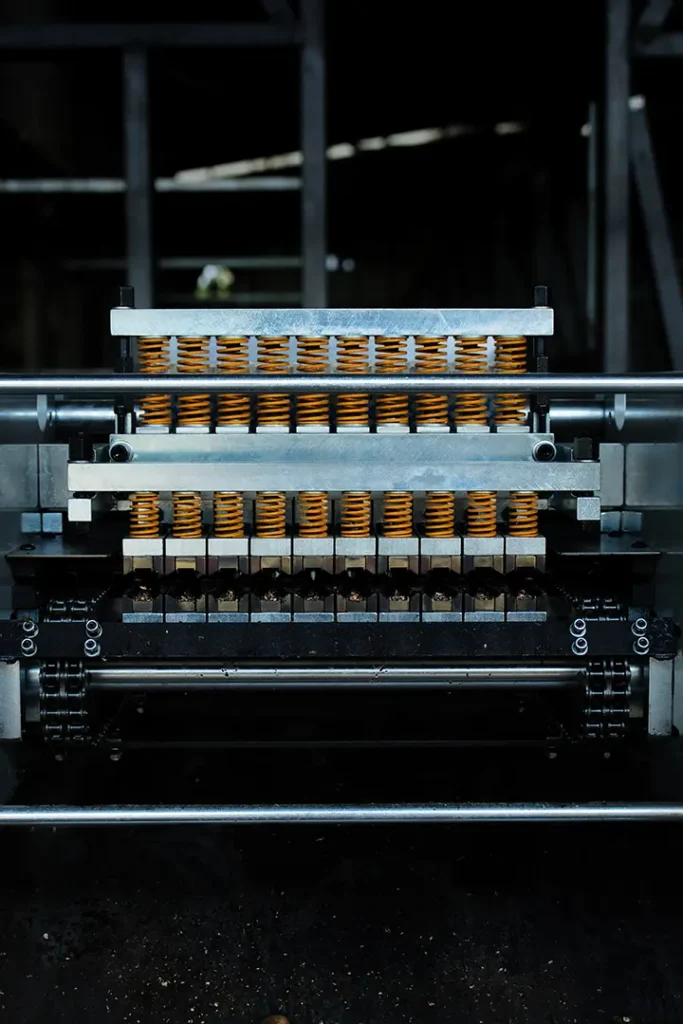
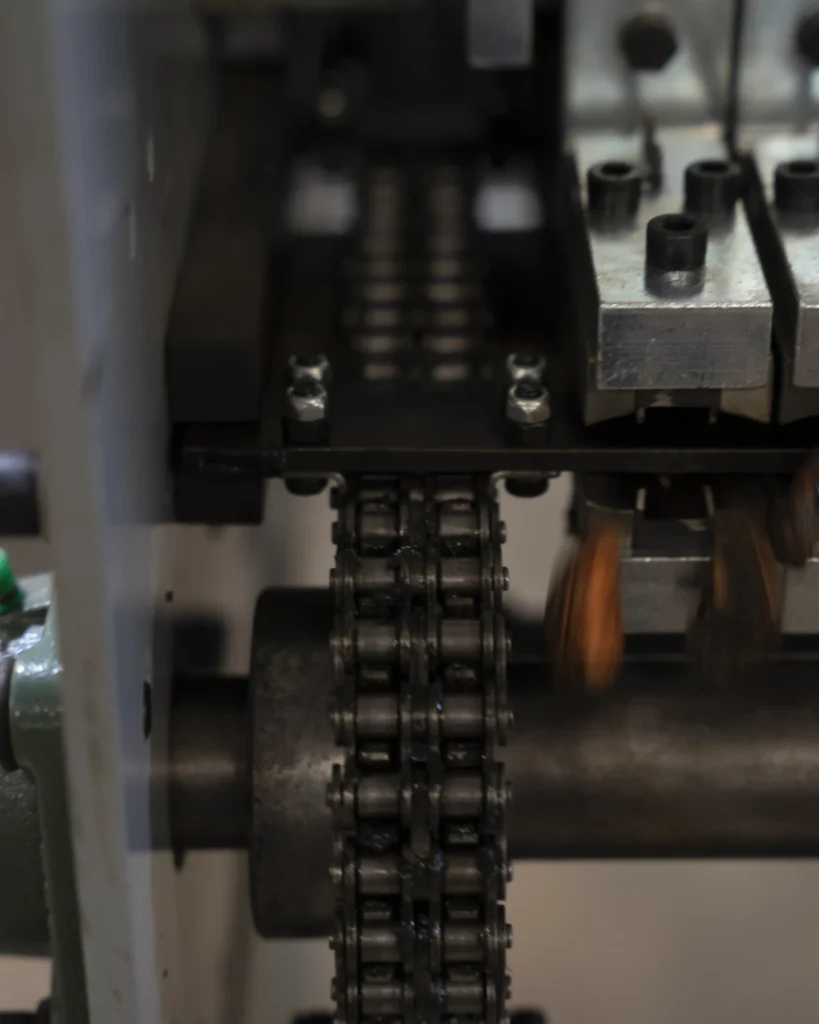
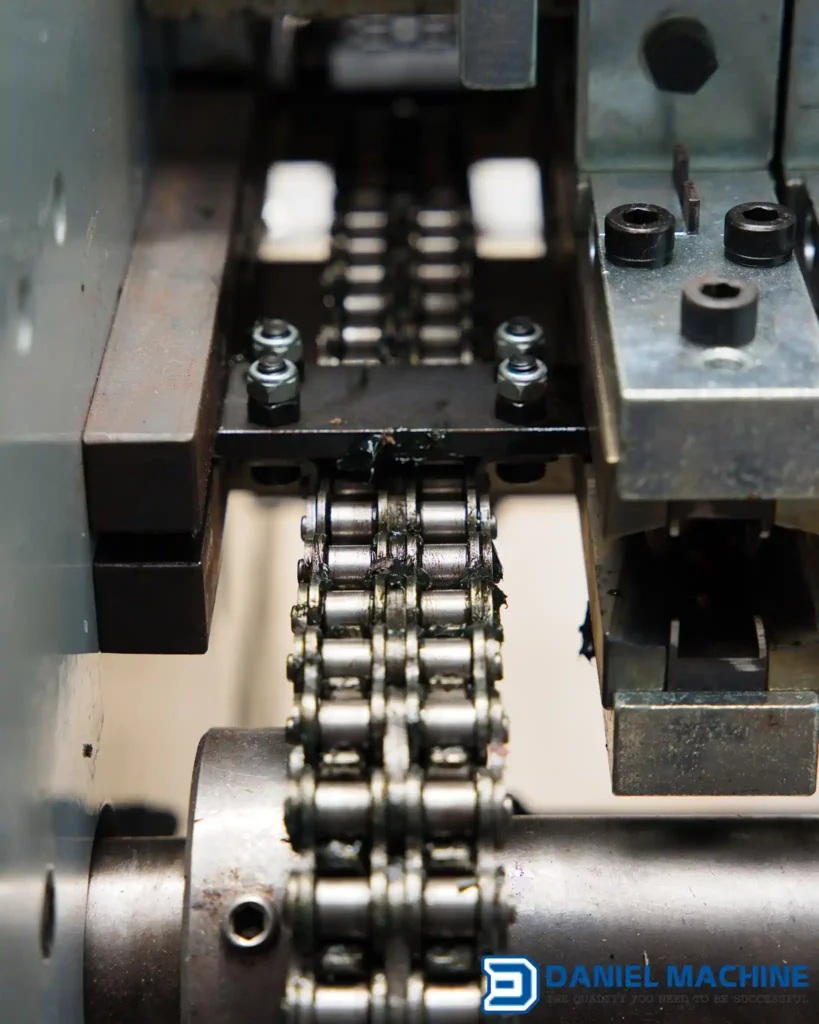
How the 10-Blade Cashew Cutting Process Works
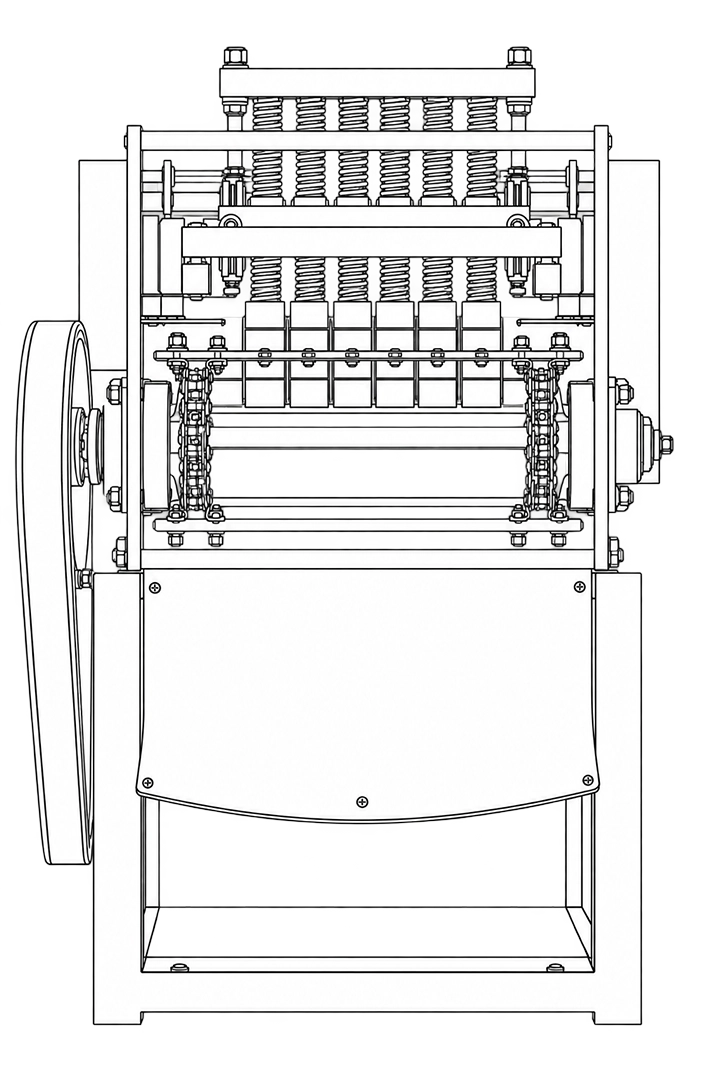
1. Prepare the Raw Cashew Nuts
Raw cashew nuts should be appropriately conditioned before entering the cutting process.
Nut size and moisture condition can influence the way the shell opens and the amount of kernel damage or uncut material produced.
2. Grade Nuts into Suitable Size Groups
Processing significantly different nut sizes with the same cutter adjustment can reduce cutting consistency.
Grading the raw material into more uniform size groups allows the machine settings to be matched more closely to the nuts being processed.
3. Feed the Cutting Machine
Prepared nuts are supplied to the cutter at a controlled rate.
Stable feeding helps prevent excessive loading and supports more consistent operation of the ten-blade cutting system.
4. Cut the Cashew Shell
The cutter opens the hard outer shell while the operating settings are adjusted according to the raw-material characteristics.
Blade condition, alignment and cutting depth should be monitored as part of normal machine operation and maintenance.
5. Separate Shell Material and Kernels
After cutting, the material can move to the appropriate shell-separation and kernel-handling equipment.
The exact downstream configuration depends on whether the customer requires an individual cutter or a more integrated shelling line.
6-Blade vs. 10-Blade vs. 12-Blade Cashew Cutting Machine
Choosing between cutter configurations should begin with the required production range.
| Configuration | Stated Cutting Capacity | Approximate 8-Hour Input |
|---|---|---|
| 6-Blade | 160–200 kg/h | 1,280–1,600 kg |
| 10-Blade | 270–400 kg/h | 2,160–3,200 kg |
| 12-Blade | 300–500 kg/h | 2,400–4,000 kg |
When to Evaluate the 6-Blade Model
The 6-blade configuration should be considered when the required cutting capacity is approximately 160–200 kg/hour.
When to Evaluate the 10-Blade Model
The 10-blade configuration should be evaluated when the target production range is approximately 270–400 kg/hour.
It can be particularly relevant when the required output exceeds the range of the 6-blade system but the processor does not automatically require the highest-capacity option.
When to Evaluate the 12-Blade Model
The 12-blade configuration covers approximately 300–500 kg/hour and overlaps part of the 10-blade capacity range.
For production requirements between approximately 300 and 400 kg/hour, the final selection should therefore consider more than blade count.
Raw material, expected processing performance, available factory space, electrical requirements, downstream equipment and the intended line configuration should all be reviewed before the machine is selected.
Individual Cutter or Integrated Cashew Shelling Line?
The 10-blade cutting machine can be evaluated as part of a larger shelling configuration.
Depending on the project, supporting equipment may be required for functions such as:
- Raw cashew feeding
- Material transfer
- Shell separation
- Kernel transfer
- Grading
- Pneumatic separation
- Electrical control.
The exact number and specifications of supporting components should be confirmed according to the required factory layout and production capacity.
A processor upgrading one stage of an existing factory may require a different configuration from a customer planning a new processing line.
What Affects 10-Blade Shelling Performance?
Raw Nut Size
Cashew nuts are naturally variable in size and shape.
More consistent size grading helps the cutter operate with settings better matched to the material being processed.
Moisture and Pre-Treatment
Steaming, drying and conditioning influence the physical condition of the shell and kernel before cutting.
Incorrect preparation can contribute to uncut nuts, shell residue or kernel damage.
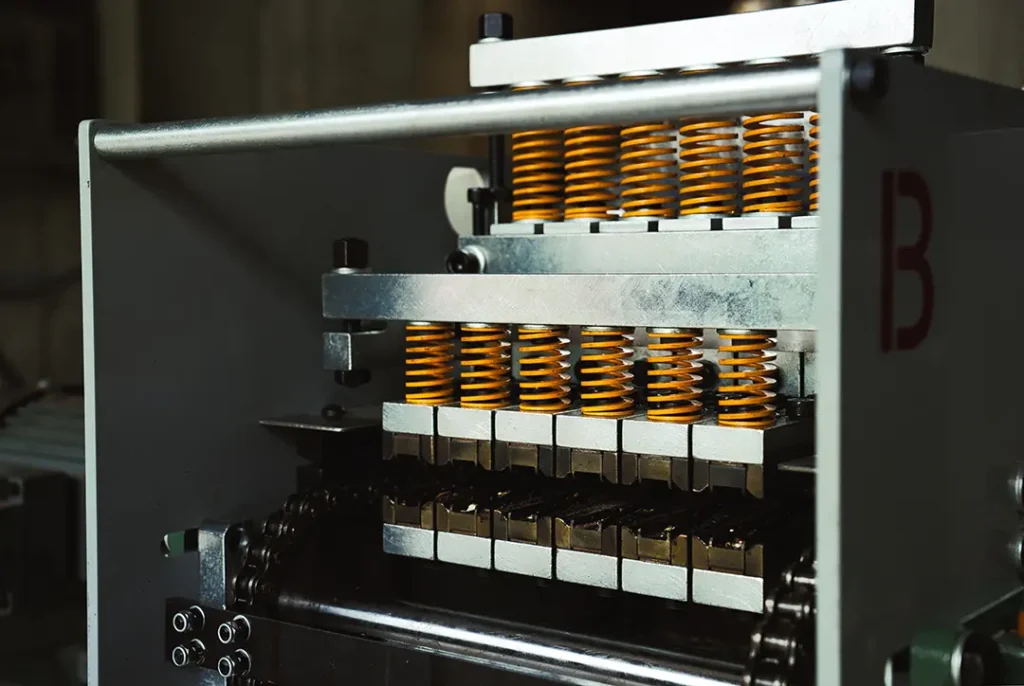
Blade Adjustment
Cutting depth, alignment and blade condition influence shell opening.
Machine settings should be checked when the raw cashew grade changes.
Feeding Stability
The feeding rate should remain compatible with the cutter and downstream separation system.
Unstable or excessive feeding can affect production consistency.
Downstream Capacity
Increasing cutting capacity only creates useful factory output when the following processing stages can handle the material.
Shell separation, kernel handling, drying, peeling and grading capacity should therefore be considered when evaluating a higher-capacity shelling machine.
What Determines the Price of a 10-Blade Cashew Cutting Machine?
A 10-blade cashew cutting machine should be quoted according to the required project configuration rather than blade count alone.
Quotation factors may include:
- Required processing capacity;
- Individual cutter or integrated line;
- Feeding and conveying
- Requirements;
- Shell-separation
- Equipment;
- Electrical configuration;
- Automation requirements;
- Spare-parts requirements;
- Installation and training scope
- Delivery destination.
An exact machine price should therefore be confirmed after the technical requirements are defined.
Information to Prepare for a Quotation
For a more accurate machine recommendation, provide:
- Required shelling capacity in kg/hour
- Operating hours per shift
- Raw cashew nut size or grading information
- Raw-material moisture and preparation method where available
- Existing shelling and downstream equipment
- Available electrical supply
- Factory layout or available installation space
- Required automation level
- Installation country
- Future capacity-expansion plans
Raw-material testing can also be arranged when required to help evaluate the appropriate machine configuration and operating parameters.
Request a 10-Blade Cashew Cutting Machine Quotation
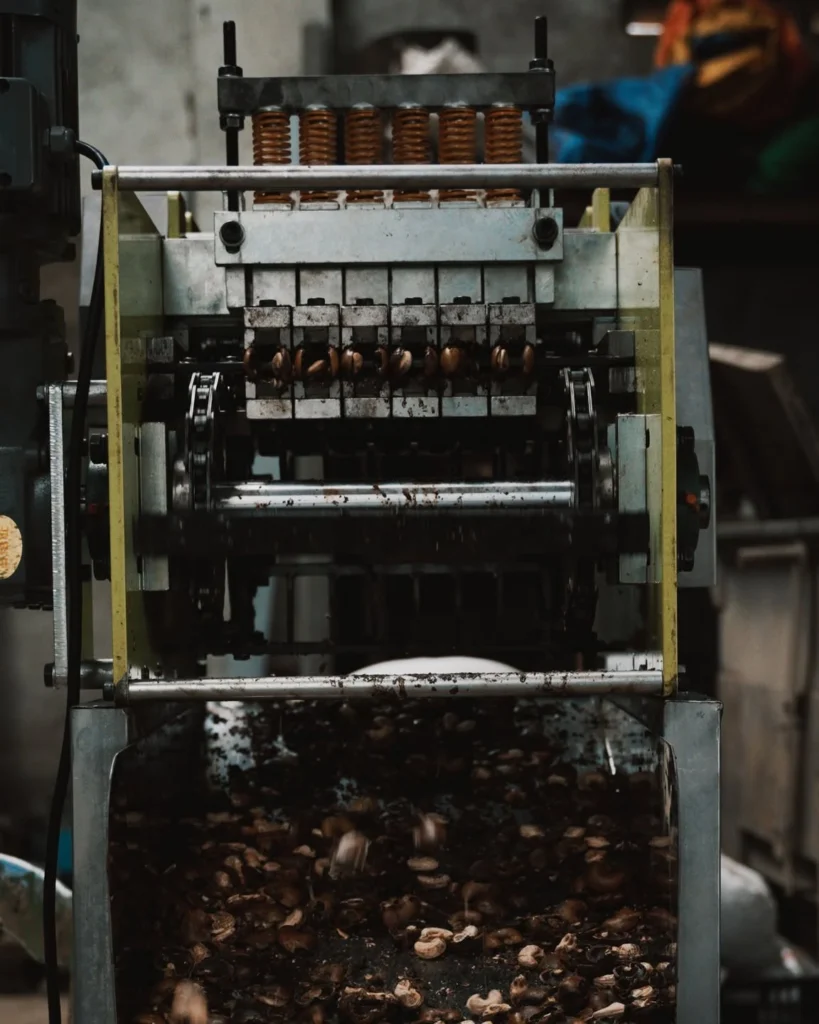
The Daniel Machine 10-blade configuration is designed for a stated shell-cutting capacity of approximately 270–400 kg/hour.
Before selecting the final machine or integrated-line configuration, the target capacity should be evaluated together with raw-material characteristics and the capacity of the surrounding processing equipment.
Send Daniel Machine your production requirements, raw cashew information and factory conditions to request a technical recommendation and quotation.
Request a quotation for the 10-Blade Cashew Cutting Machine.
Frequently Asked Questions
What is the capacity of the Daniel Machine 10-blade cashew cutting machine?
The stated cutting capacity is approximately 270–400 kg of prepared raw cashew nuts per hour.
This corresponds to approximately 2,160–3,200 kg of raw-cashew input during an eight-hour shift.
What is the uncut rate of the 10-blade machine?
Daniel Machine currently states an uncut-nut rate below 10% under suitable operating conditions.
Actual results can vary according to raw nut size, moisture condition, preparation, cutter settings and feeding stability.
What is the shell-fragment rate?
Daniel Machine currently states a shell-fragment rate below 5% under suitable operating conditions.
This should be evaluated together with the raw material and complete separation process rather than treated as an unconditional result for every production batch.
What is the difference between the 10-blade and 12-blade machines?
The 10-blade machine has a stated capacity of approximately 270–400 kg/hour, while the 12-blade configuration is rated at approximately 300–500 kg/hour.
Because the two capacity ranges overlap, processors operating around 300–400 kg/hour should compare the complete technical requirements rather than choosing only by the number of blades.
Is the 10-blade machine suitable for a complete cashew processing line?
The cutter can be evaluated as part of an integrated shelling configuration with feeding, separation, material-transfer and downstream equipment.
The exact equipment scope should be determined according to the required plant configuration.
How much does a 10-blade cashew cutting machine cost?
The final price depends on the machine and line configuration, automation requirements, electrical specifications, supporting equipment, spare parts, service scope and delivery requirements.
Daniel Machine should prepare the final quotation after reviewing the project specifications.