
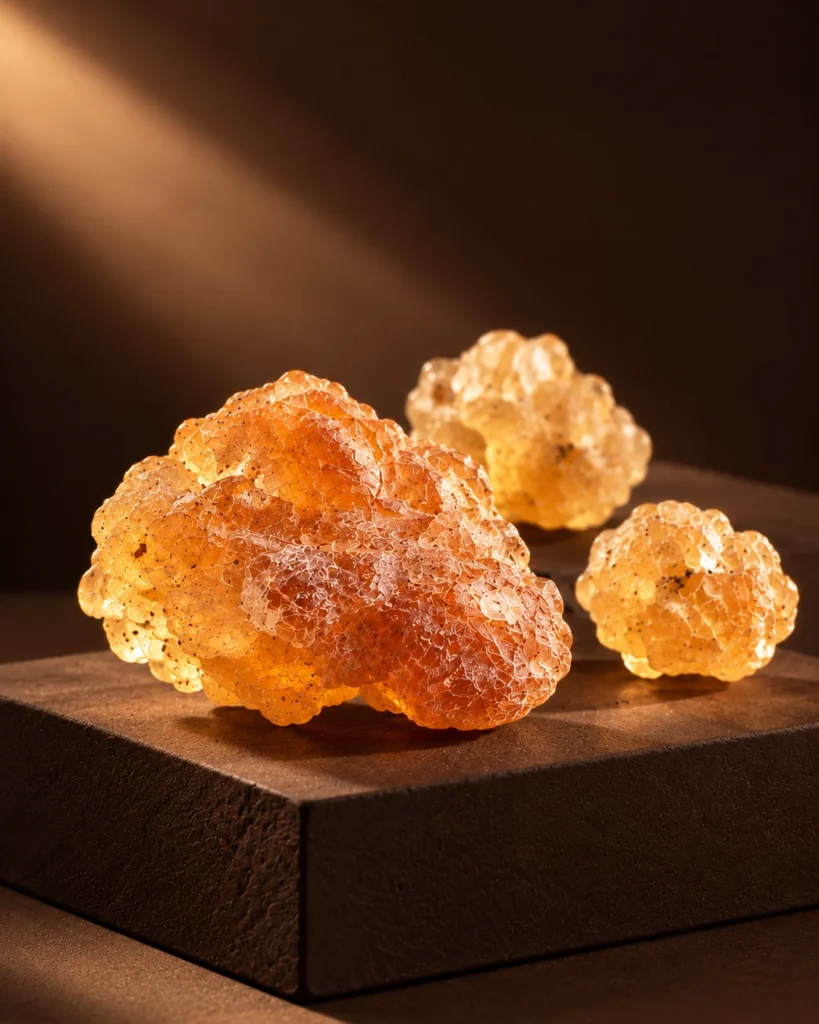
What Is Acacia Gum?
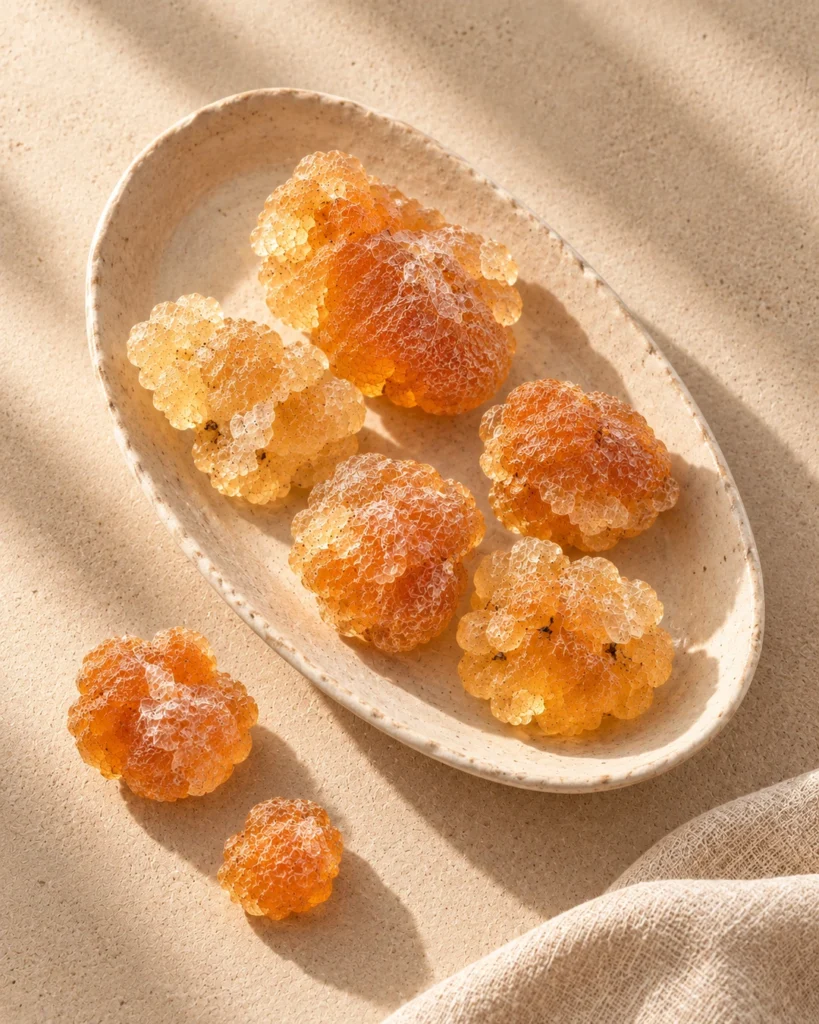
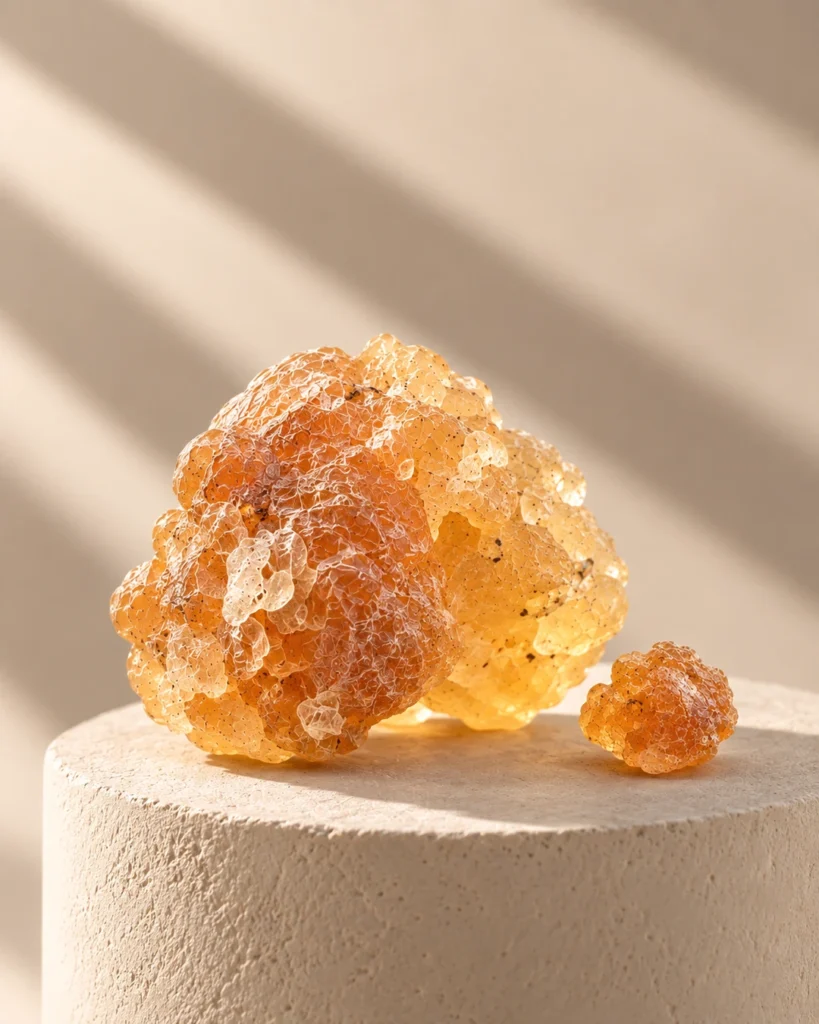
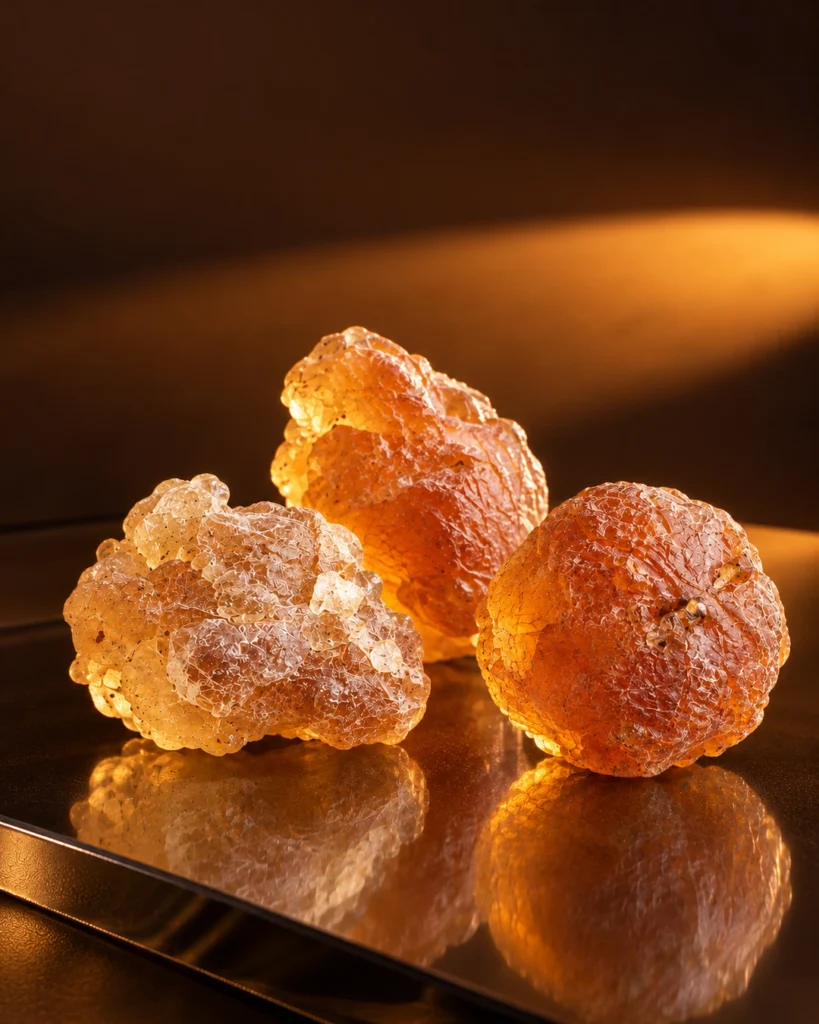
Acacia Gum and Gum Arabic are names used for a natural gum obtained from Acacia species.
In international food-additive terminology, Gum Arabic is identified as INS 414. Depending on the relevant regulatory system and product specification, it may also be referred to as E414.
The terms Acacia Gum, Gum Arabic, Arabic Gum and Gum Acacia are commonly used in commercial and technical contexts.
However, the product name alone is not enough for industrial procurement. Buyers should confirm the botanical source, physical form, technical specification and documentation of the actual material being offered.
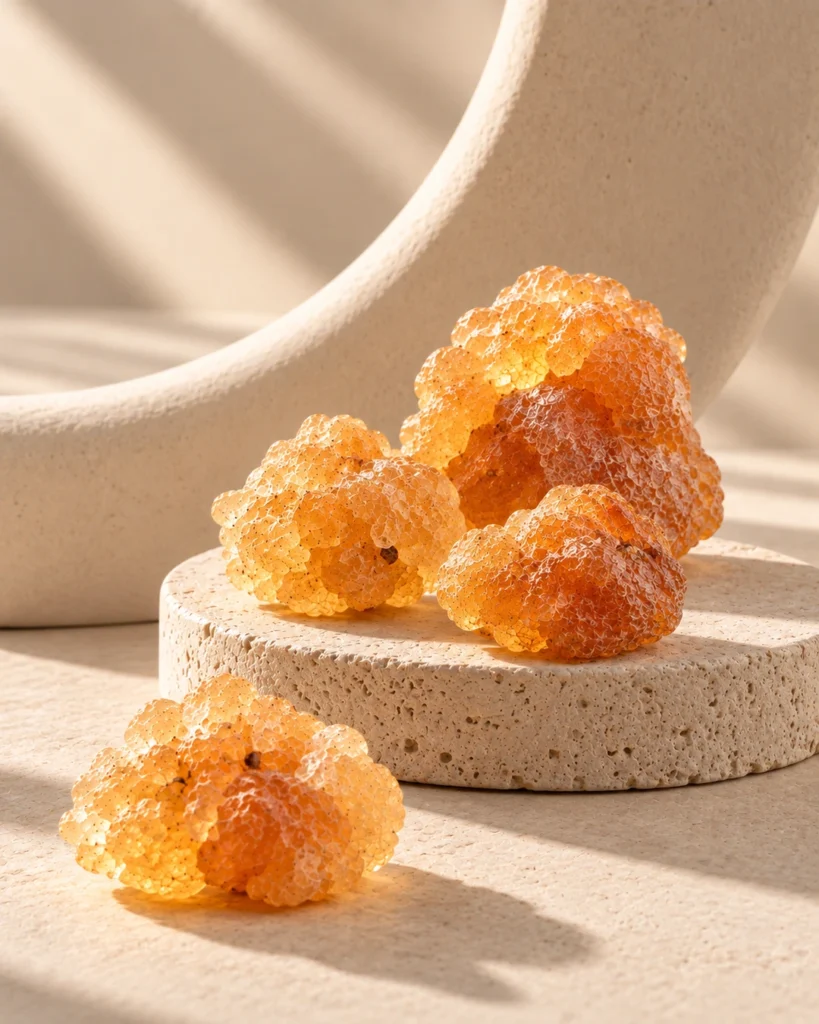
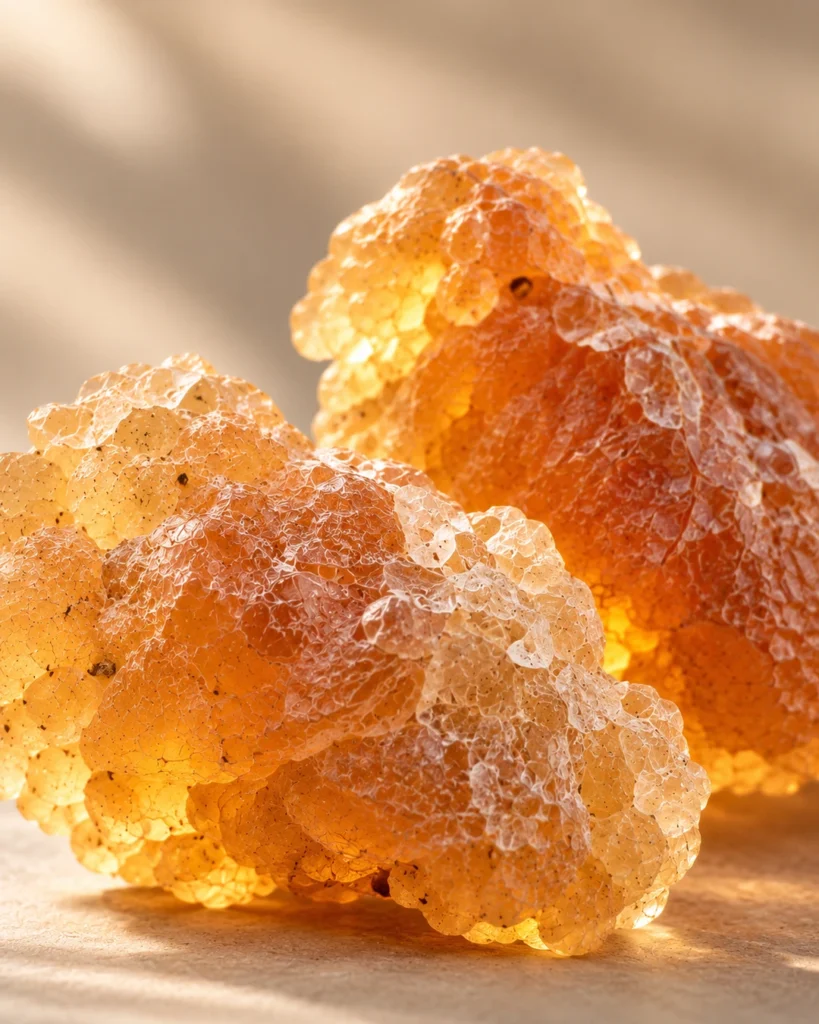
Acacia Gum vs. Gum Arabic: Is There a Difference?
In most commercial enquiries, Acacia Gum and Gum Arabic refer to the same general ingredient category.
Differences that matter more to industrial buyers include:
- Botanical source;
- Processing method;
- Physical form;
- Particle size;
- Colour;
- Solubility;
- Viscosity;
- Moisture;
- Ash content;
- Microbiological specification;
- Application requirements;
- Regulatory documentation.
For this reason, buyers should evaluate Acacia Gum by the specification of the offered grade rather than by product name alone.
Botanical Source and Grade
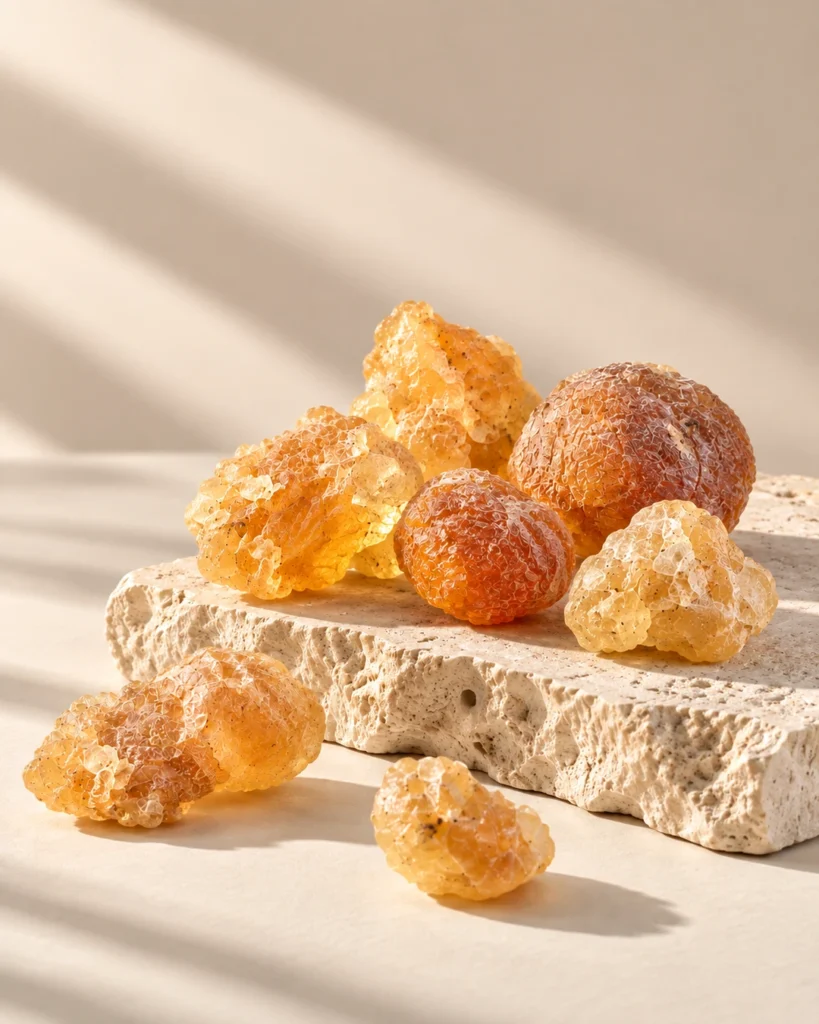
Commercial Gum Arabic can be associated with different Acacia species, including Acacia senegal and Acacia seyal.
The botanical source can be relevant because different grades may behave differently in specific manufacturing processes.
Daniel Machine therefore recommends confirming the botanical source and grade during the quotation process instead of assuming that every Acacia Gum product has identical characteristics.
The exact botanical source of the material offered by Daniel Machine will be confirmed according to the available product and supplier documentation.
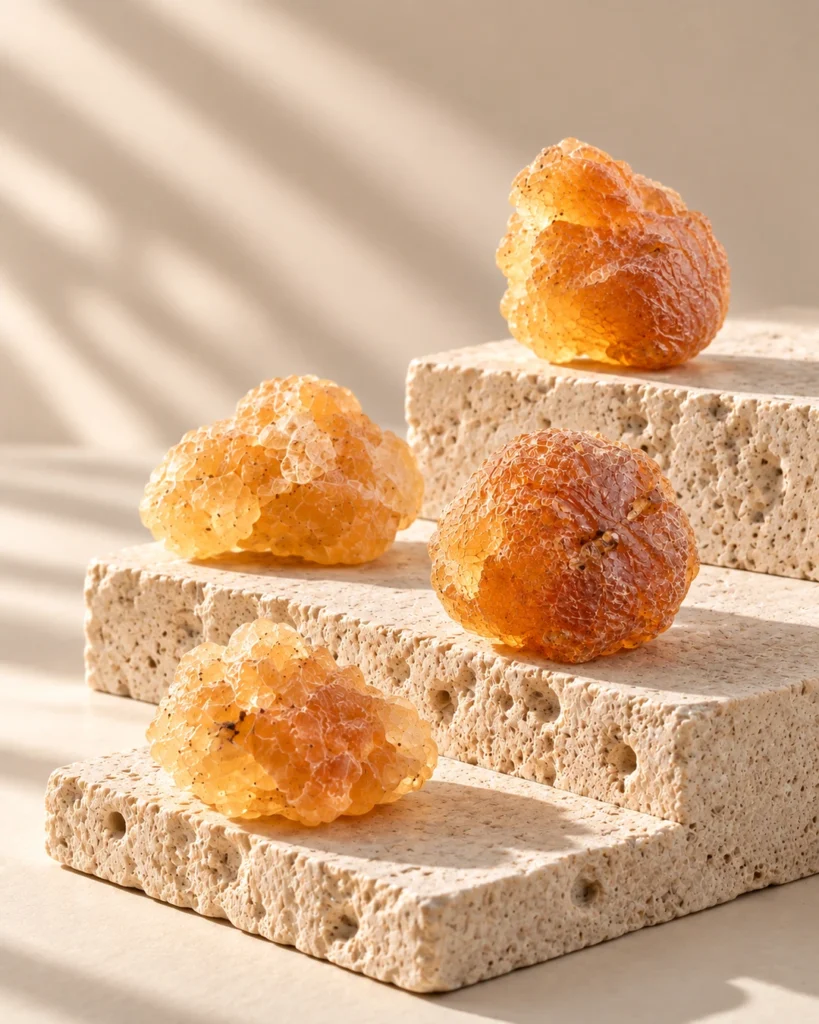
Common Functions of Gum Arabic
Depending on the grade and application, Gum Arabic is commonly evaluated for functional roles such as:
- Emulsification;
- Stabilization;
- Thickening;
- Carrying or encapsulating ingredients;
- Glazing and coating;
- Binding;
- Texture modification.
The suitability of any particular grade should be evaluated against the buyer’s formulation, processing conditions and applicable technical or regulatory requirements.
Food and Beverage Applications
Acacia Gum is widely considered in food and beverage manufacturing where emulsification, stabilization, coating, binding or ingredient-carrier functionality may be required.
Common application areas can include:
Beverages and Flavour Systems
Gum Arabic may be evaluated in beverage and flavour applications where manufacturers require emulsion or carrier functionality.
The appropriate grade should be selected according to the formulation, processing method and required product performance.
Confectionery
Acacia Gum may be used in confectionery applications including coating, glazing, binding and texture-related processes.
The required specification depends on the finished product and production method.
Bakery and Dry Mixes
Manufacturers may evaluate Gum Arabic for dry blends, coatings, fillings or other bakery-related formulation requirements.
Particle size, dissolution behaviour and handling characteristics can be important when selecting a suitable form.
Encapsulation and Ingredient Systems
Gum Arabic is also used in ingredient and flavour systems where carrier or encapsulation functionality is required.
The supplier specification should be reviewed carefully because different grades may have different functional characteristics.
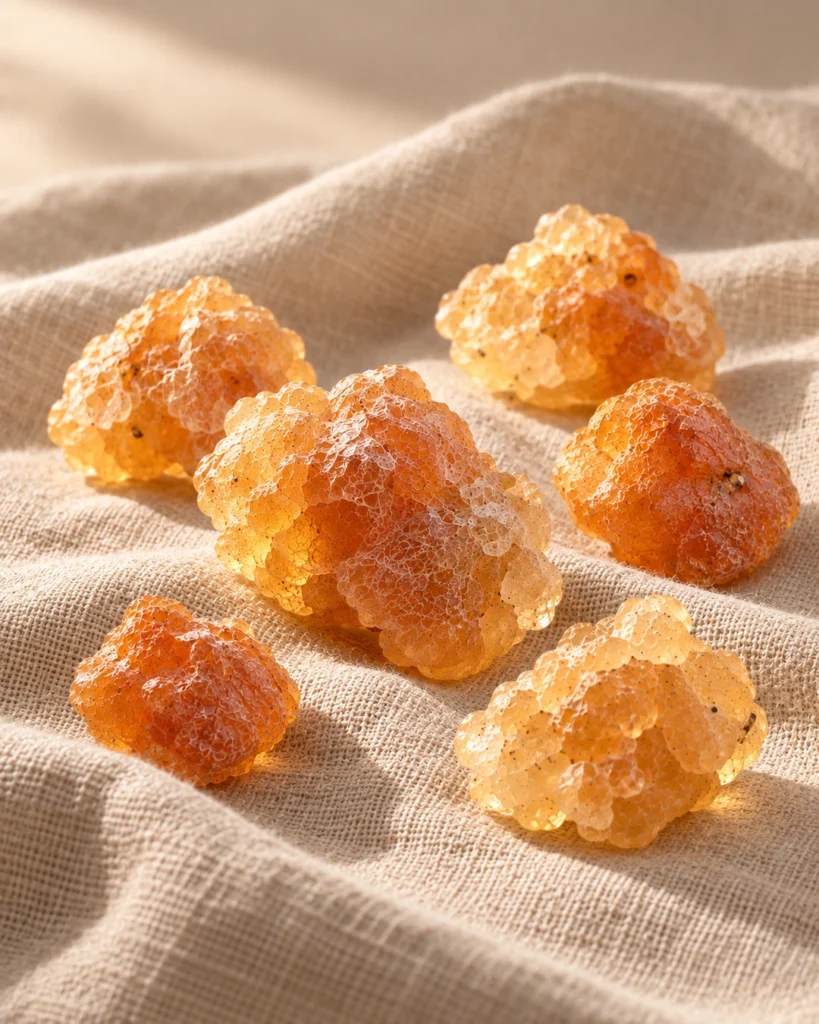
Forms of Acacia Gum
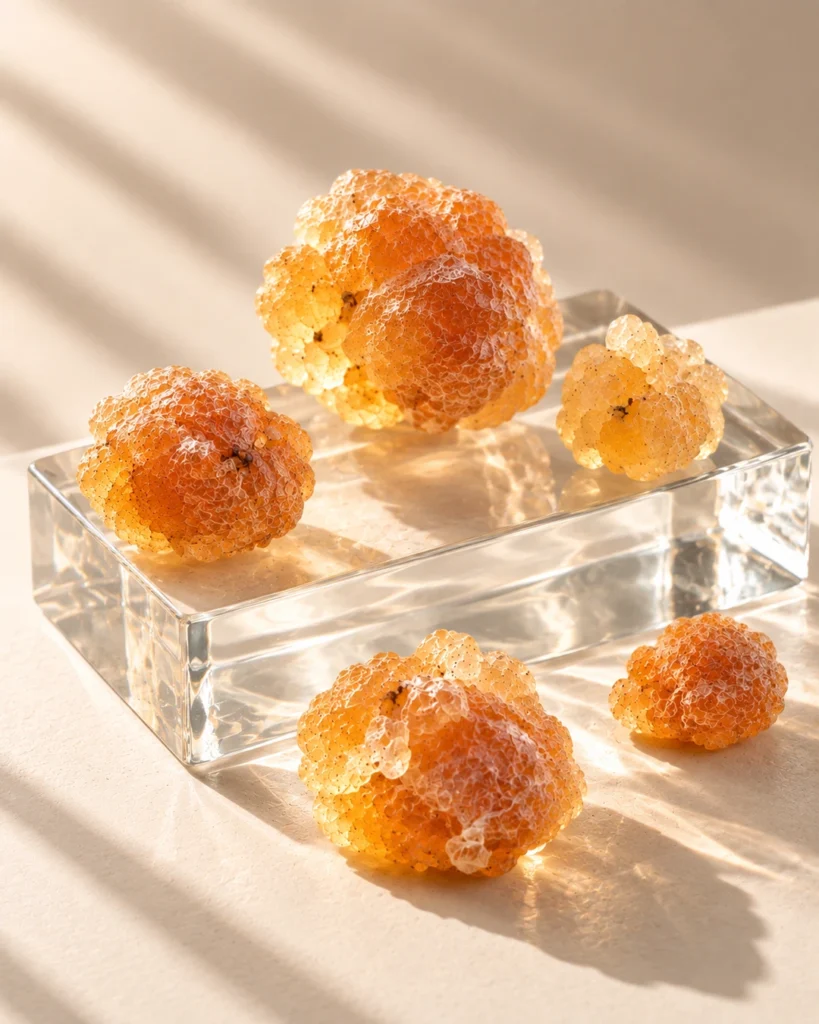
Acacia Gum may be available commercially in several forms, such as:
- Natural or cleaned gum;
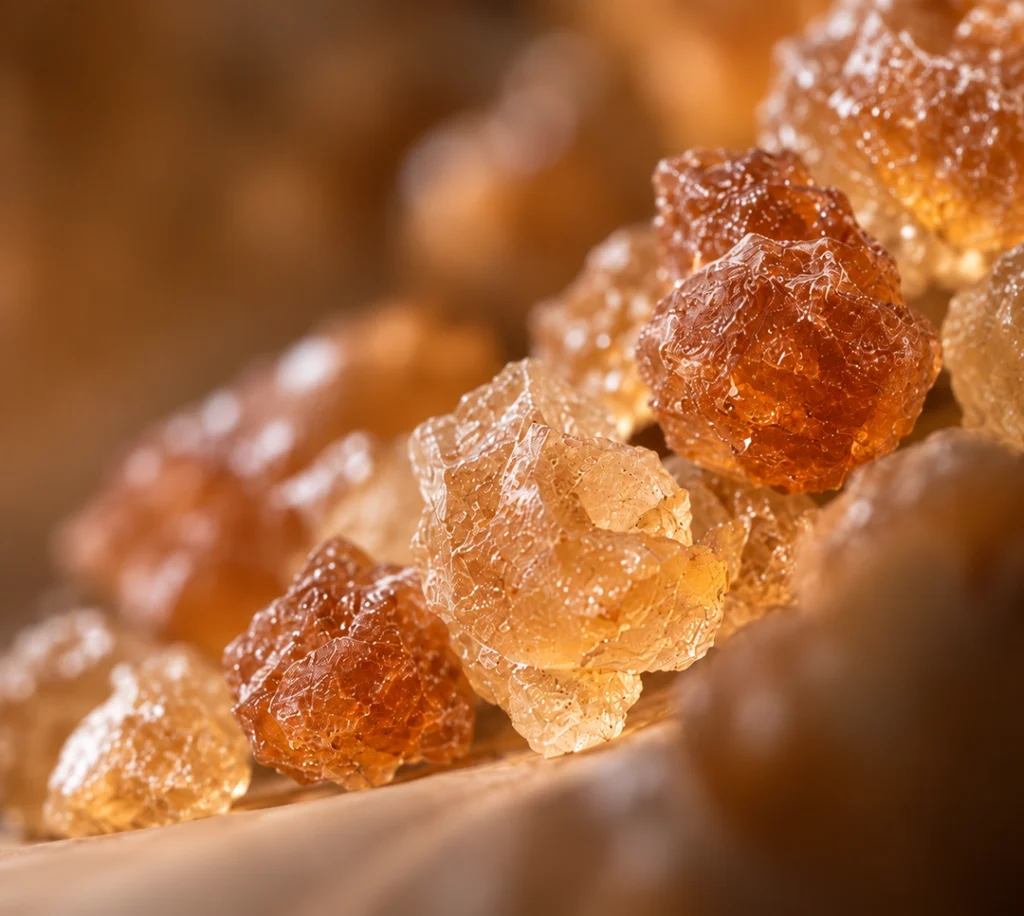
- Kibbled material;
- Granules;
- Milled powder;
- Spray-dried powder;
- Agglomerated or instantized powder.
Availability from Daniel Machine must be confirmed during quotation.
A buyer should not assume that all forms are interchangeable. The appropriate form depends on the manufacturing process, dissolution requirements, handling system and final application.
Food and Beverage Applications
For industrial purchasing, the specification is more important than the product name alone.
Depending on the intended application, buyers may need to review parameters such as:
- Botanical source;
- Country of origin;
- Physical form;
- Appearance and colour;
- Particle size;
- Solubility;
- Viscosity;
- Moisture;
- Total ash;
- Insoluble matter;
- PH;
- Microbiological limits;
- Heavy-metal limits where applicable;
- Storage conditions;
- Shelf life.
The exact specification of Daniel Machine’s offered material should be confirmed through the current product documentation associated with the quotation.
INS 414 and E414
Gum Arabic is identified internationally as INS 414.
The term E414 is also commonly used in food-additive contexts.
However, an additive number does not replace a complete product specification.
Industrial buyers should still review the actual botanical source, grade, analytical specification and documentation for the material they intend to purchase.
Daniel Machine will confirm the specification and applicable product information for the material offered during the enquiry and quotation process.
Product Documentation
Documentation requirements can vary by buyer, application and destination market.
When requesting Acacia Gum, tell Daniel Machine which documents your company requires.
Depending on the material and supply source, relevant documents may include:
- Rroduct specification;
- Certificate of Analysis;
- Country-of-origin information;
- Safety or handling documentation;
- Microbiological results;
- Regulatory declarations;
- Applicable certification documents.
Document availability must be confirmed for the specific grade and lot being offered.
How to Select the Right Acacia Gum
A useful sourcing enquiry should start with the intended application rather than only the product name.
Provide information such as:
- Intended application;
- Required grade;
- Preferred botanical source, if specified;
- Required physical form;
- Target specification;
- Required quantity;
- Packaging requirement;
- Mandatory documentation or certification;
- Destination country;
- Expected purchase schedule.
If your company already has an approved product specification, include it with the enquiry so the available material can be compared against your requirements.
Request a Specification or Commercial Quote
For a B2B Acacia Gum enquiry, provide Daniel Machine with:
- Company name;
- Destination country;
- Intended application;
- Requested form or grade;
- Botanical source requirement, if applicable;
- Required specification or technical parameters;
- Estimated quantity;
- Packaging requirement;
- Required documentation;
- Expected delivery schedule.
Where a technical specification or buyer approval sheet is available, include it with the enquiry.
This allows the commercial offer to be evaluated against the actual sourcing requirement rather than relying on a generic Gum Arabic description.
Frequently Asked Questions About Acacia Gum
Find answers about Acacia Gum, Gum Arabic, INS 414, E414, botanical sources, available forms, technical specifications, documentation, and requesting a commercial quotation from Daniel Machine.
Is Acacia Gum the same as Gum Arabic?
Acacia Gum and Gum Arabic are commonly used names for the same general natural-gum category. Commercial grades can still differ in botanical source, physical form, processing method, purity, and technical specification.
What is INS 414?
INS 414 is the international food-additive number commonly used for Gum Arabic or Acacia Gum in food applications. Buyers should confirm the applicable specification and regulatory requirements for their intended market and product.
Is E414 the same as Gum Arabic?
E414 is commonly used as a food-additive designation for Gum Arabic. Buyers should still confirm that the specific material offered meets the technical specification and regulatory requirements applicable to their product, application, and destination market.
What botanical species are used for Gum Arabic?
Commercial Gum Arabic is commonly associated with Acacia species including Acacia senegal and Acacia seyal. The botanical source of the material being offered should be confirmed from the relevant product documentation or specification.
Is Acacia Gum available as powder?
Yes. Powder is one of several commercially available forms of Acacia Gum. Other forms may include cleaned gum, kibbled material, granules, and processed powders. Daniel Machine will confirm the forms available for the specific quotation or supply requirement.
What specifications should I provide when requesting a quote?
Provide your intended application, required grade or botanical source, physical form, analytical specification, quantity, packaging, destination country, and required documentation. Providing these details helps Daniel Machine evaluate the requirement and prepare a more accurate commercial offer.
Can I request a Certificate of Analysis?
Yes. If a Certificate of Analysis (COA) or other technical documentation is required, include that requirement in your enquiry. Availability and document scope will be confirmed for the specific product, grade, or lot being offered.
How do I request Acacia Gum from Daniel Machine?
Send Daniel Machine your company information, destination country, intended application, required grade or form, quantity, packaging requirements, and any mandatory technical specifications or documentation. The team can then evaluate the requirement and prepare the appropriate commercial response.