
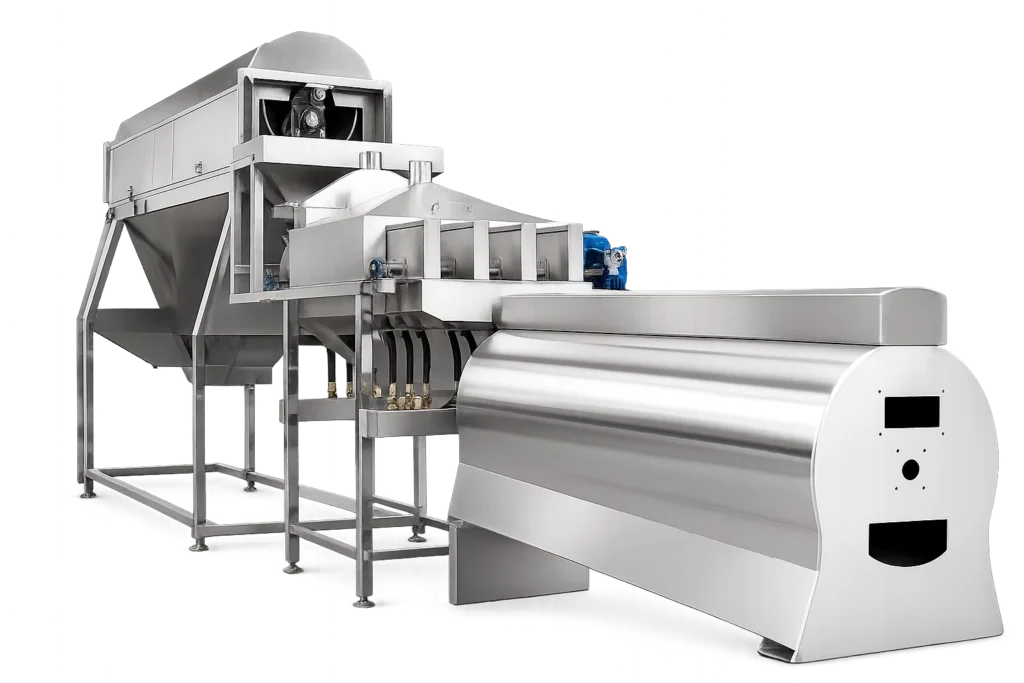
Understanding the Role of a Cashew Peeling Machine
A cashew peeling machine is designed to remove the thin skin covering dried cashew kernels after shelling, roasting, and drying processes. Traditionally, peeling has relied heavily on manual labor, which can lead to inconsistent quality, lower productivity, and higher operating costs.
By automating the peeling stage, manufacturers can achieve more consistent processing performance while reducing the physical demands placed on workers. The machine uses controlled airflow, mechanical separation, and precision handling techniques to detach the skin from the kernel while minimizing breakage.
For modern cashew processing plants, peeling automation has become an important component of production optimization and quality management.
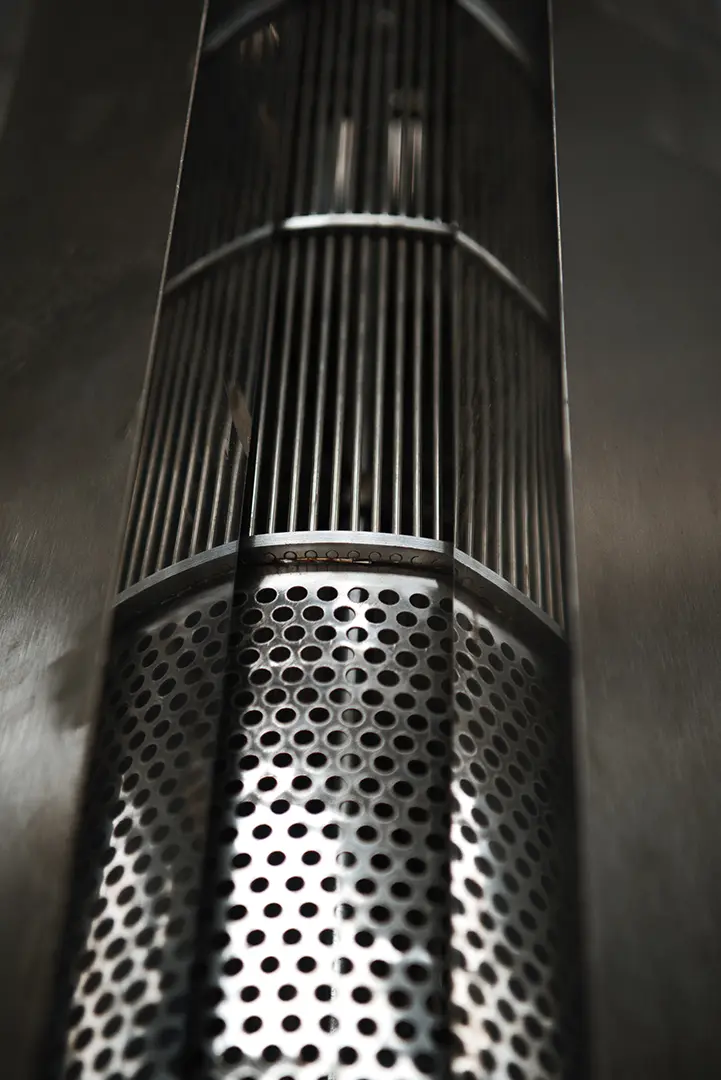
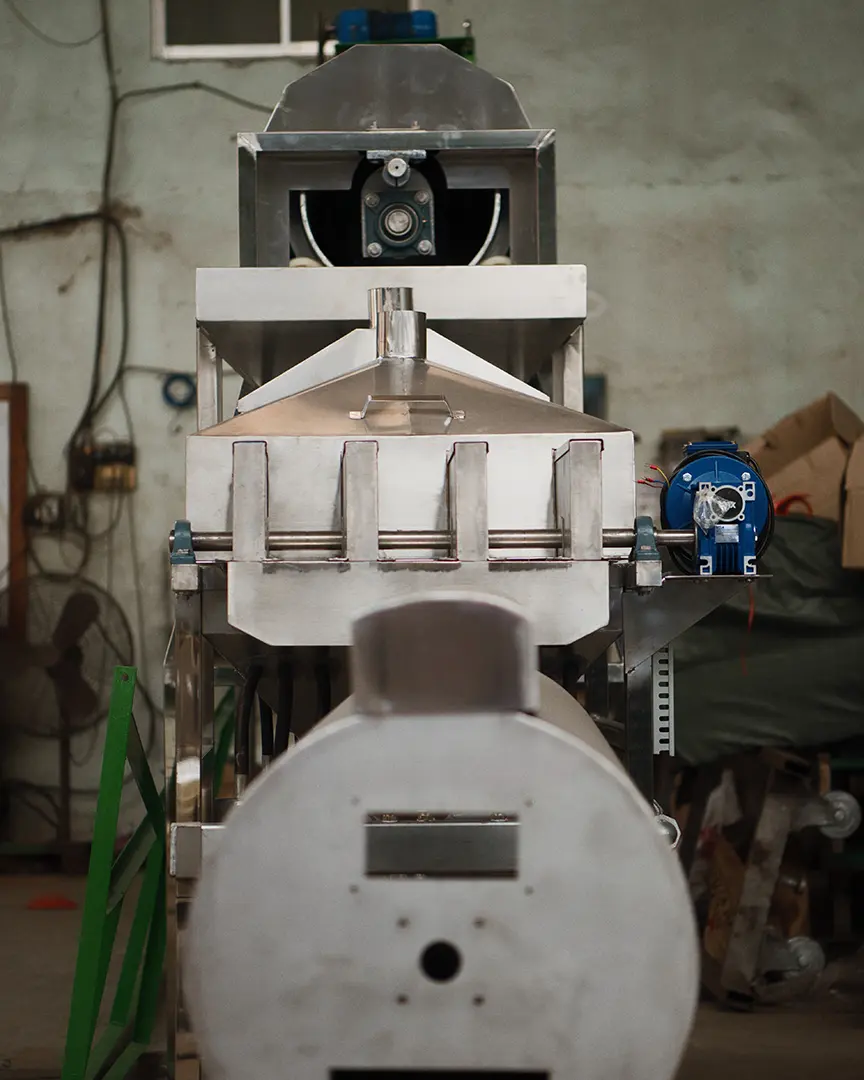
Technical Specifications
Core Machine Features
Daniel Machine’s cashew peeling systems are engineered for continuous industrial operation and integration with existing processing lines.
Typical machine characteristics include:
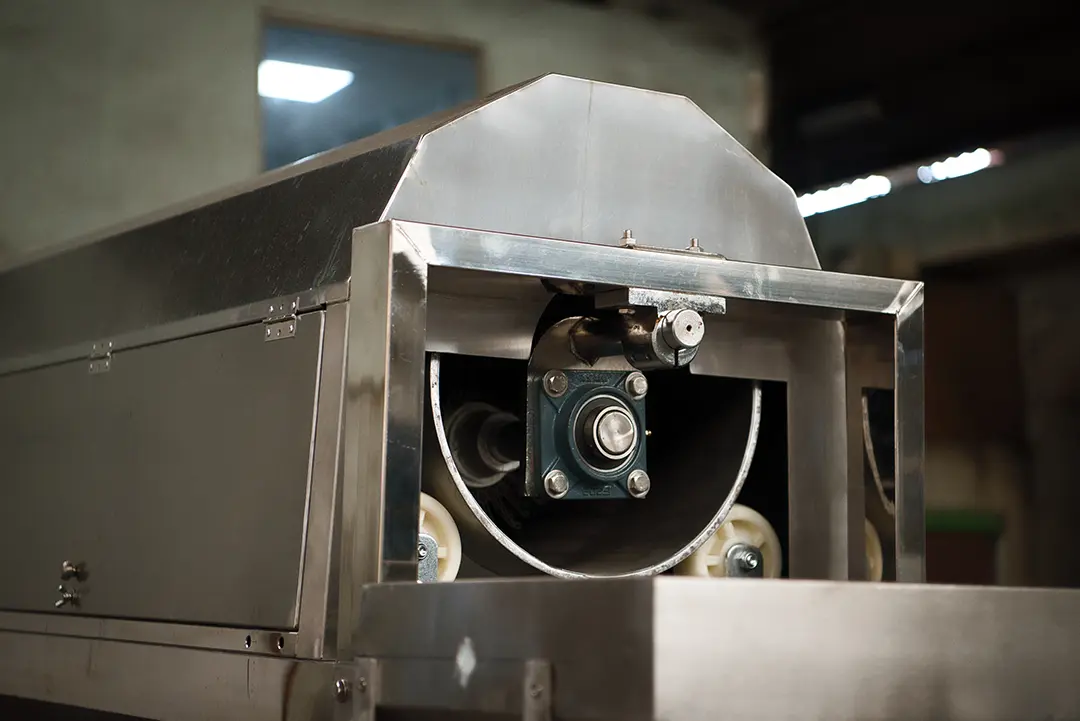
- Stainless steel construction suitable for food processing environments
- Adjustable operating parameters for different kernel grades
- Pneumatic or airflow-assisted peeling mechanisms
- Continuous feeding and discharge systems
- Easy-access maintenance design
- Compatibility with upstream drying and grading equipment
- Stable operation with reduced kernel damage rates
Performance Parameters
Actual performance depends on kernel size distribution, moisture content, operator settings, and production conditions. Common performance considerations include:
- Processing capacity based on production requirements
- Peeling efficiency optimized through machine adjustment
- Kernel integrity preservation during operation
- Reduced manual handling requirements
- Consistent peeling quality across production batches
Plant engineers should evaluate machine specifications according to throughput targets, utility availability, and integration requirements within the existing production layout.
How the Cashew Peeling Process Works
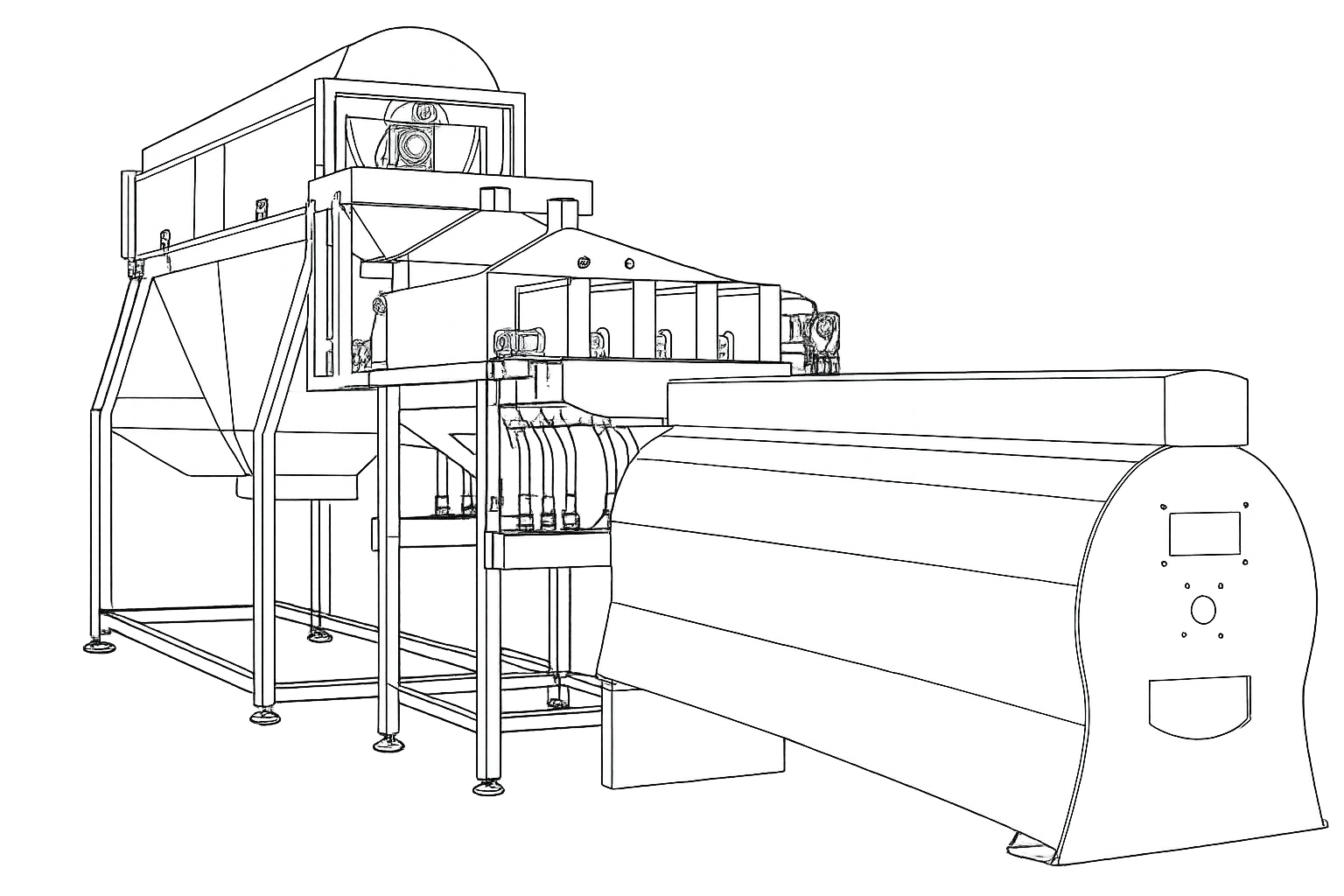
Step 1: Preparation of Dried Kernels
Before entering the peeling stage, cashew kernels undergo drying to achieve suitable moisture content. Proper drying is essential because excessive moisture can reduce peeling efficiency, while over-drying may increase kernel breakage.
Step 2: Feeding the Machine
Prepared kernels are introduced into the machine through a controlled feeding system. Uniform feeding helps maintain stable operating conditions and consistent peeling performance.
Step 3: Skin Removal
Inside the cashew peeling machine, kernels are exposed to carefully controlled mechanical and pneumatic actions. These forces separate the testa from the kernel surface without excessive pressure that could damage the product.
Step 4: Separation and Collection
Detached skins are removed through airflow or collection systems, while peeled kernels are discharged for inspection, grading, and packaging.
Step 5: Quality Inspection
Operators perform quality checks to verify peeling effectiveness and identify any kernels that require reprocessing. This step supports consistent product standards and customer requirements.
Benefits of Using a Cashew Peeling Machine
Increased Production Efficiency
Manual peeling can become a production bottleneck, particularly in medium and large-scale processing facilities. Automated peeling equipment helps maintain continuous workflow and supports higher daily output.
Improved Product Consistency
Machine-controlled peeling provides more uniform processing conditions compared to manual methods. Consistency is especially important for export-oriented processors that must meet strict quality specifications.
Reduced Labor Dependency
Labor availability and training can present challenges in many processing regions. Automation helps manufacturers reduce reliance on highly repetitive manual operations while allowing workers to focus on quality control and higher-value activities.
Enhanced Workplace Safety
Reducing repetitive manual peeling tasks can contribute to improved ergonomic conditions within processing facilities. Automated systems also help standardize operational procedures.
Reduced Labor Dependency
A modern cashew peeling machine provides operators with greater control over processing variables, making it easier to maintain production targets and quality requirements.
Economic Benefits for Cashew Processing Facilities
Lower Operating Costs
Although automation requires capital investment, many processors evaluate equipment based on long-term operating cost reductions. Reduced labor requirements and improved productivity can contribute to favorable operational economics over time.
Higher Throughput Potential
A bottleneck at the peeling stage can limit overall factory output. By increasing peeling capacity, manufacturers may improve utilization of upstream and downstream equipment.
Reduced Product Loss
Kernel breakage and incomplete peeling can affect product value. Properly configured machinery helps processors maintain product quality and reduce losses associated with rework or downgraded kernels.
Improved Return on Production Assets
When production lines operate more efficiently, processors can often maximize the value generated from existing infrastructure, utilities, and labor resources.
Considerations When Selecting a Cashew Peeling Machine
When evaluating peeling equipment, factory owners and engineering teams should consider several factors:
- Required hourly and daily production capacity
- Compatibility with current processing equipment
- Utility requirements, including compressed air and power
- Maintenance accessibility and spare parts availability
- Product quality objectives
- Future expansion plans
- Technical support and operator training requirements
A comprehensive evaluation helps ensure that the selected solution aligns with operational goals and long-term production strategies.