
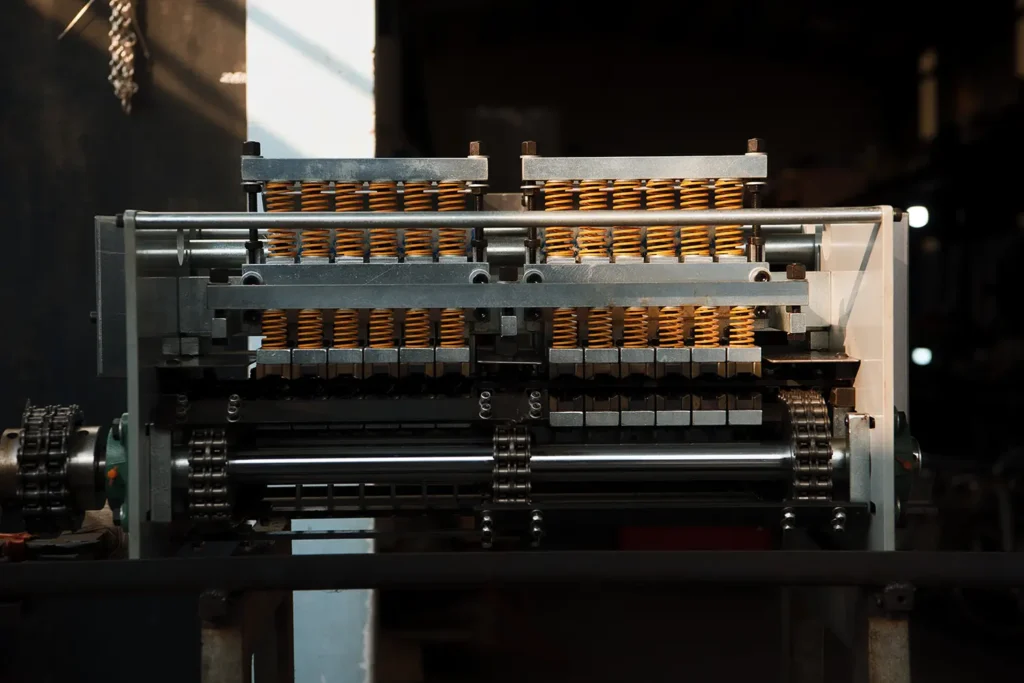
What Is an Automatic Cashew Shelling Machine?
An automatic cashew shelling machine is industrial equipment designed to separate cashew kernels from their shells with minimal manual intervention. The machine uses precision feeding systems, alignment mechanisms, and cutting technologies to crack shells while reducing kernel breakage.
Unlike traditional manual shelling methods, automated systems provide standardized processing conditions that help maintain consistent output quality and production rates. These machines are commonly integrated into larger processing lines that include grading, drying, peeling, and packaging equipment.
For processors aiming to scale operations, automation can contribute to more predictable production planning and reduced dependency on manual labor.
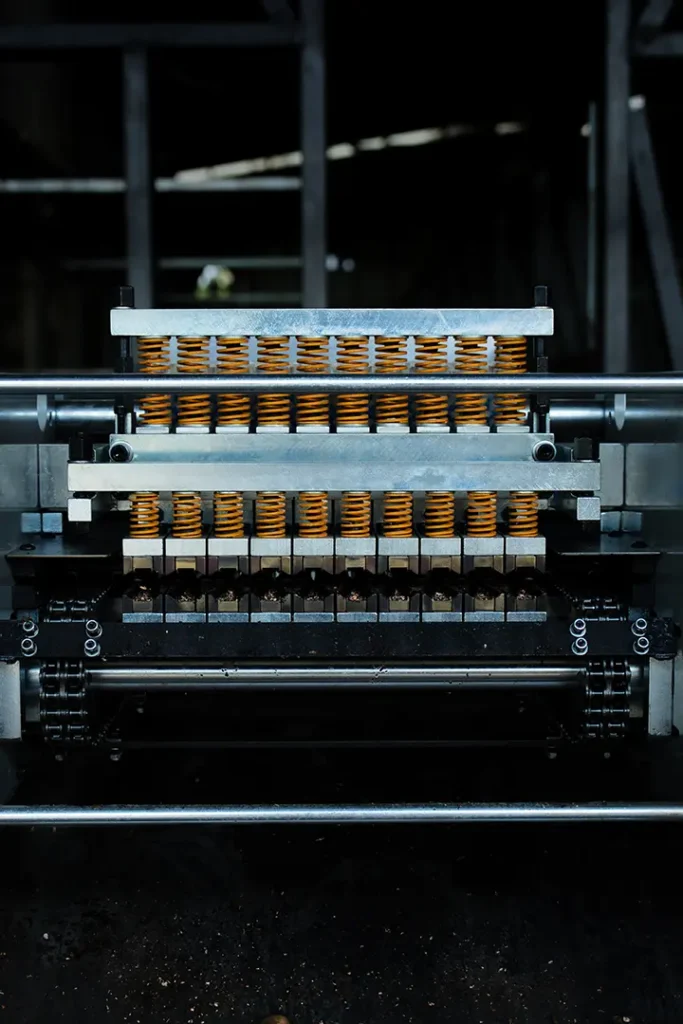
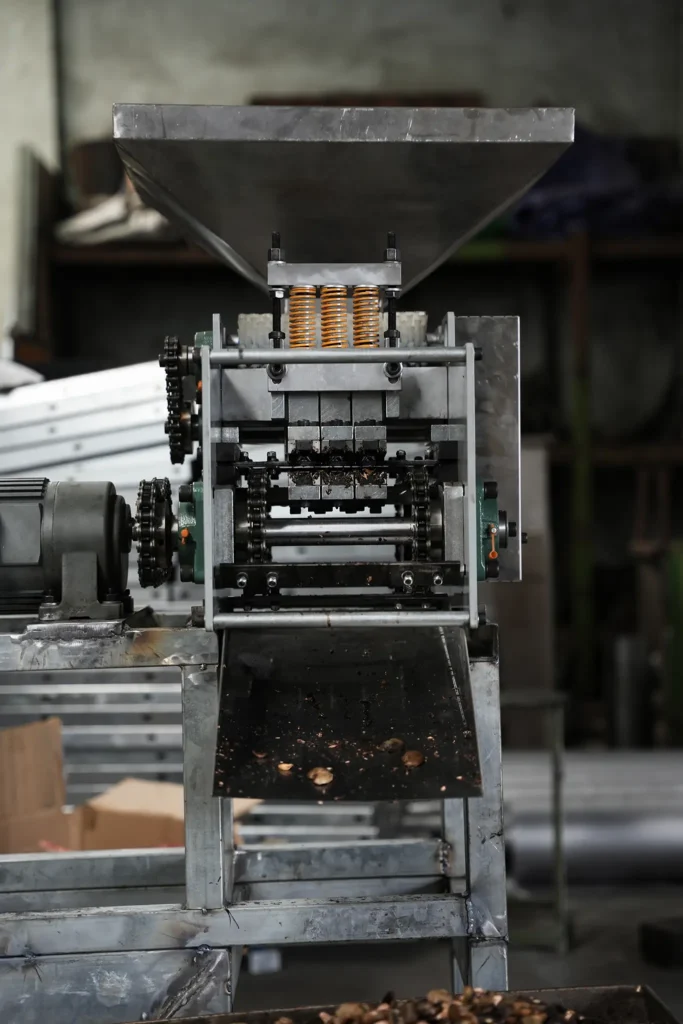
Brand Name: Daniel machine
• Cutting Capacity: 70 – 100 kg/hour
• Daily Output: 560 – 800 kg per 8-hour shift
• Uncut Nut Rate: < 10%
• Monkey Head (Shell Fragment) Rate: < 5%
Machine Configuration – 1 Line Includes:
1. 3 blade cutter head – 1 unit
2. Vibrating sieve – 2 units
3. Feeding hopper and elevator – 1 set
4. Kernel elevator – 1 unit
5. Feeding hopper to cutter – 1 unit
6. Shell size separator – 1 unit
7. Kernel size grader – 1 unit
8. 2HP single blower – 2 units
9. 2HP dual blower – 2 units
10. Electrical control cabinet – 1 unit
Brand Name: Daniel machine
• Cutting Capacity: 160 – 200 kg/hour
• Daily Output: 1280 – 1600 kg per 8-hour shift
• Uncut Nut Rate: < 10%
• Monkey Head (Shell Fragment) Rate: < 5%
Machine Configuration – 1 Line Includes:
1. 6 blade cutter head – 1 unit
2. Vibrating sieve – 2 units
3. Feeding hopper and elevator – 1 set
4. Kernel elevator – 1 unit
5. Feeding hopper to cutter – 1 unit
6. Shell size separator – 1 unit
7. Kernel size grader – 1 unit
8. 2HP single blower – 2 units
9. 2HP dual blower – 2 units
10. Electrical control cabinet – 1 unit
BENEFITS
Cold-rolled full hard unprocessed sheet by Fabrik Steel is the option to choose for applications that require very limited bending and/or roll-forming.Supplied directly from the cold-reduction mill without any annealing to soften the steel, our full hard sheet is highly work-hardened and exhibits a high resistance to denting, with only minimal ductility. The hardness is Rockwell B 84 minimum.
FEATURES
Since the product is supplied directly after cold rolling without further processing, our full hard cold-rolled unprocessed sheet is not subject to the same product standards that have been established for other cold-rolled sheet products.We provide it with a matte or smooth surface finish produced on the cold reduction mill.
Brand Name: Daniel machine
• Cutting Capacity: 270 – 400 kg/hour
• Daily Output: 2,160 – 6,400 kg per 8-hour shift
• Uncut Nut Rate: < 10%
• Monkey Head (Shell Fragment) Rate: < 5%
Machine Configuration – 1 Line Includes:
1. 10-blade cutter head – 1 unit
2. Vibrating sieve – 2 units
3. Feeding hopper and elevator – 1 set
4. Kernel elevator – 1 unit
5. Feeding hopper to cutter – 1 unit
6. Shell size separator – 1 unit
7. Kernel size grader – 1 unit
8. 2HP single blower – 2 units
9. 2HP dual blower – 2 units
10. Electrical control cabinet – 1 unit
Product Name: Cashew Cutting Head 12-Blades (Full Automatic)
- Brand Name: Danielmachine
- General Capacity: 500 – 600 kg/h
- Whole Kernel Recovery Rate: > 90%
- Weight: ~ 310 kg • Voltage: 220V – 380V (3-Phase)
- Power (kW): 0.75 kW • Dimension (LWH): L750 x W770 x H440 mm
Broken Kernel Rate:
- Grade A: 2 – 4% • Grade B: 3 – 6%
- Grade C & D: 4 – 7%
Product Name: Cashew Cutting Head 16-Blades (Full Automatic)
Brand Name: Daniel machine
• Cutting Capacity: 350 – 600 kg/hour
• Daily Output: 2,800 – 4,800 kg per 8-hour shift
• Uncut Nut Rate: < 10%
• Monkey Head (Shell Fragment) Rate: < 5%
Machine Configuration – 1 Line Includes:
1. 3-blade cutter head – 1 unit
2. Vibrating sieve – 2 units
3. Feeding hopper and elevator – 1 set
4. Kernel elevator – 1 unit
5. Feeding hopper to cutter – 1 unit
6. Shell size separator – 1 unit
7. Kernel size grader – 1 unit
8. 2HP single blower – 2 units
9. 2HP dual blower – 2 units
10. Electrical control cabinet – 1 unit
Technical Specifications and Key Features
Precision Feeding and Nut Positioning
One of the most important functions of an automatic shelling system is accurate nut alignment. Proper positioning ensures that the shell is cut at the correct location, helping reduce kernel damage during processing.
Daniel Machine’s shelling technology incorporates automated feeding mechanisms designed to:
- Maintain continuous product flow
- Improve shelling consistency
- Reduce processing interruptions
- Support stable machine performance
Adjustable Processing Parameters
Different cashew varieties and sizes require different shelling conditions. An advanced automatic cashew shelling machine typically includes adjustable settings that allow operators to optimize performance according to:
- Nut size
- Moisture content
- Production requirements
- Desired shelling efficiency
This flexibility helps processors adapt to changing raw material characteristics throughout the production cycle.
Industrial Production Capacity
Production capacity varies depending on the machine model and factory requirements. Industrial shelling systems are designed for continuous operation and can support large-scale processing environments.
Typical operational objectives include:
- High shelling efficiency
- Reduced kernel breakage
- Consistent throughput
- Stable long-term operation
Durable Construction
Cashew processing environments require equipment capable of operating under demanding conditions. Industrial shelling machines are generally manufactured using durable materials that support:
- Long service life
- Reduced maintenance requirements
- Reliable operation
- Compliance with food processing standards
How the Automatic Cashew Shelling Process Works
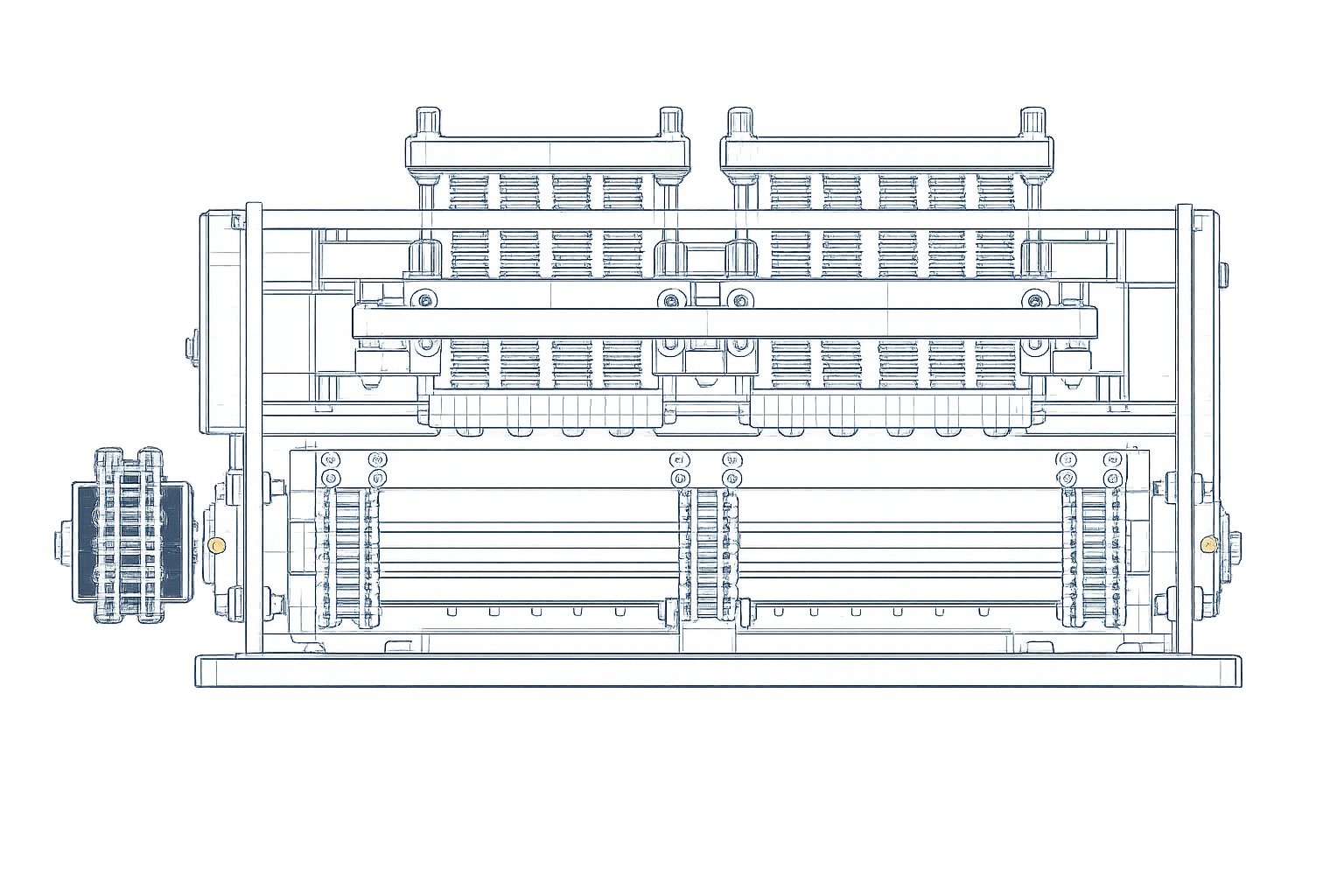
Step 1: Raw Cashew Nut Feeding
Prepared cashew nuts are loaded into the feeding system. The machine automatically regulates the flow of material to ensure uniform processing.
Step 2: Nut Orientation
The positioning mechanism aligns each nut before shelling. Proper orientation is essential for achieving accurate cuts and minimizing kernel damage.
Step 3: Shell Cutting and Separation
The shelling mechanism cracks the shell while preserving the kernel structure as much as possible. Advanced systems are engineered to balance shell removal efficiency with kernel protection.
Step 4: Kernel and Shell Collection
After shelling, kernels and shell fragments are separated and directed to their respective collection points for further processing.
Step 5: Quality Inspection and Downstream Processing
Shelled kernels proceed to subsequent stages such as grading, peeling, drying, and packaging. The consistency achieved by an automatic cashew shelling machine can help improve downstream process efficiency.
Economic Benefits of an Automatic Cashew Shelling Machine
Reduced Labor Dependency
Labor availability can significantly impact production schedules in cashew processing facilities. Automation helps reduce reliance on large shelling teams while allowing operators to focus on machine supervision and quality control.
For many processors, labor optimization becomes increasingly important as production volumes grow.
Improved Production Efficiency
Automated shelling systems can contribute to higher operational efficiency by maintaining continuous processing and reducing downtime associated with manual operations.
Potential benefits include:
- Increased daily output
- More consistent production rates
- Better utilization of factory resources
- Improved workflow coordination
Better Kernel Recovery
Kernel quality directly affects product value. By improving shelling precision, processors can reduce unnecessary kernel damage and support higher recovery rates.
Although performance depends on raw material quality and operating conditions, automation can help create a more controlled shelling environment.
Lower Long-Term Operating Costs
While equipment investment requires upfront capital, many processors evaluate automation based on long-term operational considerations such as:
- Labor cost management
- Production capacity expansion
- Maintenance efficiency
- Process standardization
A well-designed shelling system can support cost-effective production over the equipment lifecycle.
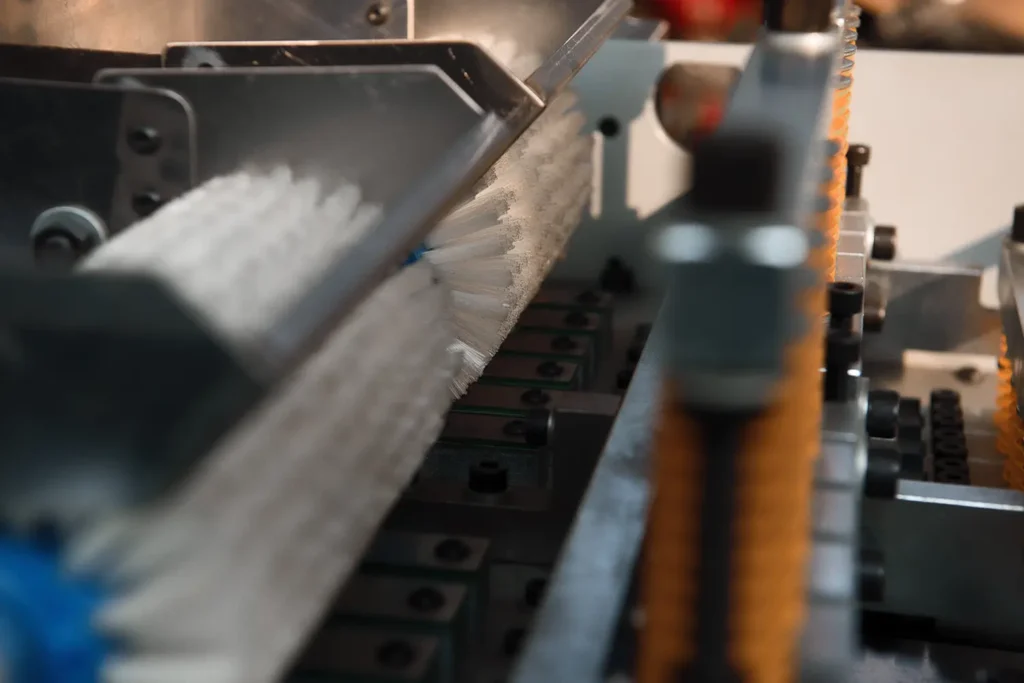
Output Capacity
Delivering consistent and high processing capacity to meet both small-scale and industrial production demands, ensuring optimal productivity per operating hour.
Kernel Breakage Rate
Minimizing kernel breakage through precise cutting mechanisms and optimized force control, ensuring uniform output quality and higher profitability.
Kernel Retention Rate
Maximizing the recovery of whole kernels after shelling. Our precision-engineered technology preserves kernel integrity, minimizes loss, and enhances overall product value.